announcement

Prof. Dr. Ali Bahkali’s Weekly Schedule (1447–1448 H, Second Term)…
introduction/brief CV
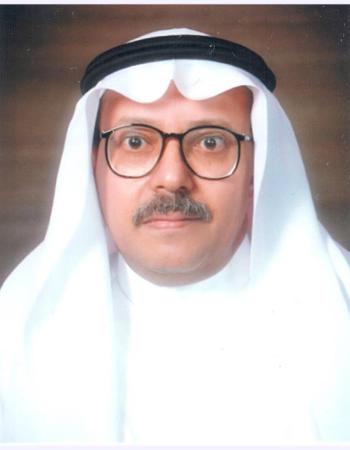
Prof. Dr. Ali Hassan Abdulrahman Bahkali is Professor of Physiological Fungal Ecology in the Department of Botany and Microbiology, College of Science, King Saud University. He earned his Ph.D. from the University of Wales, United Kingdom, in 1983, with specialization in fungal enzyme systems.
With more than four decades of distinguished academic and research experience, Prof. Bahkali has held key leadership positions, including Head of the Department of Botany and Microbiology and Editor-in-Chief of the Saudi Journal of Biological Sciences.
His research expertise spans fungal ecology, enzyme biotechnology, molecular identification of fungi, mycotoxins and food safety, biodegradation, and environmental microbiology. His work has been supported by numerous nationally and internationally funded research projects.
Prof. Bahkali has been recognized multiple times as a Highly Cited Researcher (2018–2021) by the Web of Science and is the recipient of prestigious honors, including the Lifetime Achievement Award from King Saud University.
areas of expertise
Prof. Dr. Ali Hassan Abdulrahman Bahkali’s key areas of expertise include:
Physiological Fungal Ecology
Fungal Biodiversity and Taxonomy
Plant Pathogenic Fungi & Mycology
Fungal Enzyme Biotechnology (cellulases, pectinases, xylanases, amylases)
Mycotoxins and Food Safety
Molecular Identification & PCR-based Diagnostics of Fungi
Environmental Microbiology and Biodegradation
Bioremediation of Pollutants
Microbial Biotechnology and Bioenergy Applications
Nanobiotechnology and Microbial Nanoparticle Synthesis
publications
see all

Diaporthe species are frequently reported as endophytes on mangroves. These species are also known pathogens affecting several important hosts worldwide, but have yet to be explored as pathogens…
The development of highly efficient and robust photocatalysts is essential for advancing pollution remediation and water purification.
Photocatalytic-mediated electron transfer for the efficient activation of PMS by heterogeneous photocatalyst contributes to a green and sustainable water treatment process. This present research…
courses
see all

Credit: 6(0+0+12) Short Description: During this course the students practice the various microbiological techniques for their applications in clinical and diagnostic laboratories in hospitals…
Credit : 2 (2+0) Short Description: Studying the history of spores, defining and classifying them according to structure, movement and function, in addition to identifying the mechanics of…
Credit 2 (1+1) Short Description Detailed study of physiology and structure of symbiotic fungi, hostsymbiont interactions, their effects on host growth and their agricultural applications.…
office hours
| Saturday | Sunday | Monday | Tuesday | Wednesday | Thursday | Friday | |
|---|---|---|---|---|---|---|---|
| from | _ | 01:00 PM | 12:00 PM | 12:00 PM | 11:00 AM | 12:00 PM | _ |
| to | _ | 04:00 PM | 02:00 PM | 03:00 PM | 02:00 PM | 03:00 PM | _ |
| location | _ | Building 5 Floor 2 Office 2B 53 Building 5 Floor 2 Office 2B 53 | Building 5 Floor 2 Office 2B 53 Building 5 Floor 2 Office 2B 53 | Building 5 Floor 2 Office 2B 53 Building 5 Floor 2 Office 2B 53 | Building 5 Floor 2 Office 2B 53 Building 5 Floor 2 Office 2B 53 | Building 5 Floor 2 Office 2B 53 Building 5 Floor 2 Office 2B 53 | _ |