


البارالاكس (الإزاحة المنظورية) كوسيط مكاني
ديناميات التكوين المكاني والضوء في توجيه حركة الزوار بمتحف كياسما
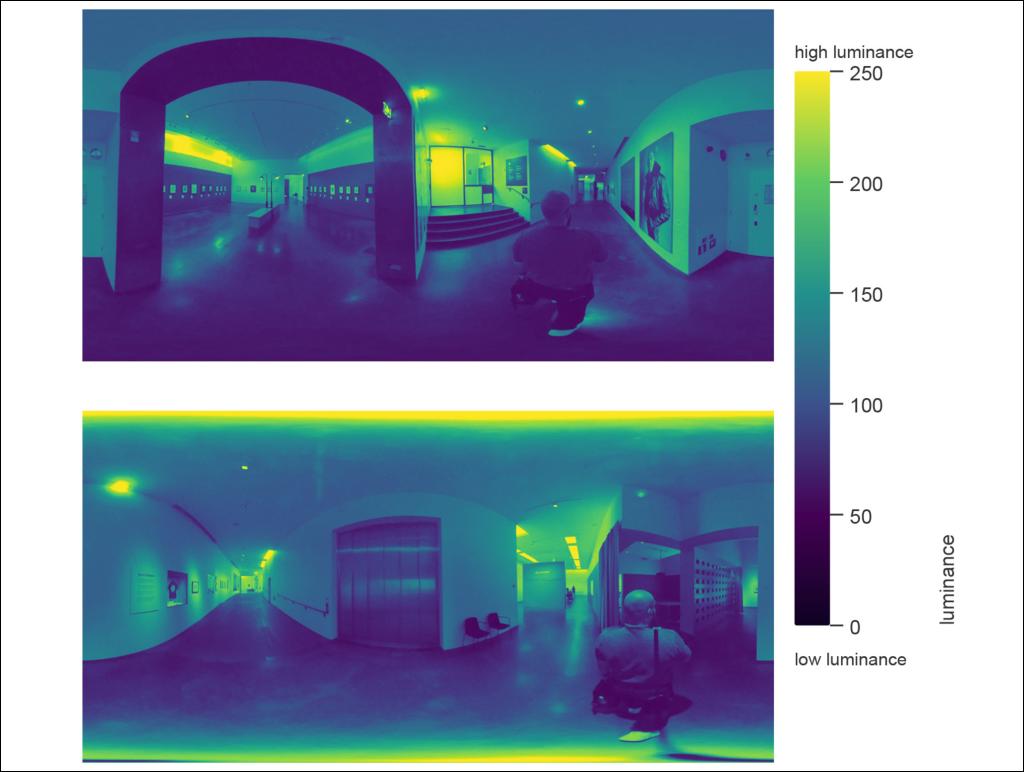
في تصميم المتاحف المعاصرة، يتزايد اهتمام المعماريين بالخبرة المكانية بوصفها وسيطًا لإشراك الزائر، إلا أن الحركة غالبًا ما تُختزل في مسألة توجيه وتنظيم للمسارات، بدلًا من النظر إليها بوصفها نمطًا من أنماط المشاركة في حد ذاتها. تستكشف هذه الدراسة كيف يعمل مفهوم البارالاكس، أو اختلاف المنظور، لدى ستيفن هول كآلية لتحفيز الحركة في متحف كياسما للفن المعاصر، حيث يُقصد به التغير في المشهد الناتج عن حركة الزائر وتبدل موقعه داخل الفراغ. وتتناول الدراسة هذا المفهوم بوصفه مفهومًا ظاهراتيًا وإيكولوجيًا، أي أنه يرتبط بالخبرة المعاشة وبالعلاقة الإدراكية بين الإنسان وبيئته، ويتجلى من خلال العتبات المائلة، وتراكب المنظورات، وتدرجات الإضاءة. وتجمع الدراسة بين الظاهراتية، وعلم النفس الإيكولوجي، وتحليل التكوين المكاني، بهدف ربط الإدراك المتجسد، أي الإدراك الذي يتشكل من خلال حركة الجسد وتفاعله مع البيئة المحيطة، بخصائص مكانية قابلة للقياس. ولتحقيق ذلك، استُخدمت أدوات سبيس سينتاكس، بما في ذلك تحليل الخطوط المحورية، والرسوم التبريرية، وتحليل الإيزوفست، إلى جانب دراسة الخصائص البصرية والضوئية للطابقين الثاني والثالث في متحف كياسما. وتكشف النتائج عن بنية مكانية حلقية مهيمنة تتكثف فيها الرؤية عند العتبات، فيما تتبدل المشاهد باستمرار على امتداد المسار الحركي. كما تترافق هذه التحولات مع تدرجات واضحة في السطوع، بما يعزز الإحساس بالتغير والاستكشاف خلال الحركة. وتشير هذه الاستراتيجيات المكانية والضوئية المتداخلة إلى قدرتها على تشجيع التنقل الاستكشافي، بحيث تصبح الحركة داخل المتحف جزءًا من التجربة المتحفية ذاتها. وتجادل الدراسة بأن البارالاكس يربط بين التكوين المكاني والمشاركة المتجسدة، إذ يظهر بوصفه أثرًا إدراكيًا ناشئًا عن التفاعل بين التنظيم المكاني، وتعديل الضوء، وحركة الجسد، لا بوصفه مبدأً تصميميًا ثابتًا أو خاصية شكلية مستقلة.

يتناول هذا الملخص الموسّع دور التكوين الفراغي في متحف كياسما في إنتاج تجربة معرفية متموضعة، تتوسط العلاقة بين الفنون المعاصرة، والمعروضات، والتراث الثقافي.
تُسهم العمارة المتحفية في تشكيل الكيفية التي تُواجَه بها المعرفة وتُختبر داخل فراغاتها. يطوّر هذا المقال مفهوم المعرفة اللامركزية لوصف التكوينات المكانية التي تقاوم إعلاء مسار تأويلي واحد، وتتيح…
في تصميم المتاحف المعاصرة، يتزايد اهتمام المعماريين بالخبرة المكانية بوصفها وسيطًا لإشراك الزائر، إلا أن الحركة غالبًا ما تُختزل في مسألة توجيه وتنظيم للمسارات، بدلًا من النظر إليها بوصفها نمطًا…